
 USD
USD
 Vertical Categories
Lithium-Ion Battery Storage Cabinets

Shop Phoenix Commander Lithium-ion Battery Storage Cabinets
Sub Categories
Phoenix Safe
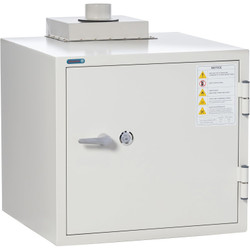
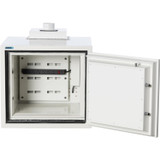
Phoenix Battery Commander BSS6100 Lithium-Ion Battery Charging Cabinet, 6 Outlets, 3.20 cu. ft

Phoenix Safe
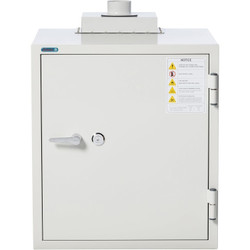
Phoenix Battery Commander BSS6101 Lithium-Ion Battery Charging Cabinet, 12 Outlets, 4.23 cu. ft.


Phoenix Safe
Phoenix Battery Commander BSS6102 Lithium-Ion Battery Charging Cabinet, 18 Outlets, 7.03 cu. ft.
Phoenix Safe
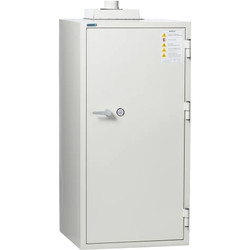
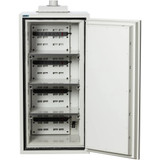
Phoenix Battery Commander BSS6103 Lithium-Ion Battery Charging Cabinet, 24 Outlets, 8.65 cu. ft.

Phoenix Safe
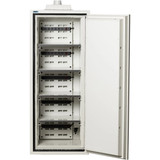
Phoenix Battery Commander BSS6104 Lithium-Ion Battery Charging Cabinet, 30 Outlets, 10.84 cu. ft.

Phoenix Safe
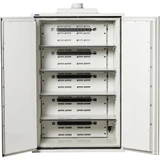
Phoenix Battery Commander BSS6105 Lithium-Ion Battery Charging Cabinet, 40 Outlets, 20.09 cu. ft.


Phoenix Safe
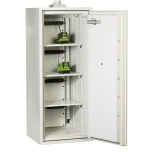
Phoenix Battery Commander BSS6002 Lithium-Ion Battery Charging Cabinet, 18 Outlets, 7 cu. ft.

Phoenix Safe
Phoenix Battery Commander BSS6003 Lithium-Ion Battery Charging Cabinet, 24 Outlets, 10.8 cu. ft.
Choosing the Right Phoneix Battery Commander Model
Phoenix Battery Commander lithium battery storage cabinets are fire-resistant, lockable battery charging cabinets designed to store and charge lithium-ion batteries inside one dedicated cabinet system. They help facilities move battery charging away from open shelves, workbenches, ordinary metal cabinets, and unsecured storage areas.
If you are not sure which cabinet to choose, start with the number of batteries you charge each day, the number of outlets needed, shelf capacity, available floor space, and delivery requirements. Smaller cabinets work well for tool rooms, labs, offices, and light maintenance areas. Larger cabinets are better for warehouses, public works departments, schools, fleet operations, utilities, and high-volume charging rooms.
Choose by Battery Charging Volume
- Small battery charging areas: Best for small tool rooms, labs, offices, limited device charging, light maintenance areas, and smaller workspaces.
- Mid-size facility use: Best for schools, warehouses, public works departments, repair shops, laboratories, and maintenance departments.
- High-volume battery charging: Best for fleet operations, utilities, municipalities, industrial facilities, larger warehouses, and centralized charging rooms.
- Replacing an older cabinet: If you are replacing a discontinued BSS6002 or BSS6003 model, contact us before ordering so we can help confirm the best current replacement option.
Choose by Battery Commander Model
- BSS6100: Current compact model with 3.2 cu. ft. capacity, no shelves, key lock, 27-1/4"H x 27-1/4"W x 28"D exterior size, and 6 outlets.
- BSS6101: Current compact model with 4.23 cu. ft. capacity, 1 shelf, key lock, 32-3/4"H x 27-1/4"W x 28"D exterior size, and 12 outlets.
- BSS6102: Current mid-size model with 7.03 cu. ft. capacity, 2 shelves, key lock, 48"H x 27-1/4"W x 28"D exterior size, and 18 outlets.
- BSS6103: Current mid-size model with 8.65 cu. ft. capacity, 3 shelves, key lock, 57"H x 27-1/4"W x 28"D exterior size, and 24 outlets.
- BSS6104: Current high-capacity model with 10.84 cu. ft. capacity, 4 shelves, key lock, 68-3/4"H x 27-1/4"W x 28"D exterior size, and 30 outlets.
- BSS6105: Current large high-capacity model with 20.09 cu. ft. capacity, 4 shelves, key lock, 68-3/4"H x 44-1/2"W x 28"D exterior size, and 40 outlets.
- BSS6002 and BSS6003: Discontinued prior-generation models with limited remaining inventory. Availability and replacement options should be confirmed before ordering.
Common Battery Storage and Charging Uses
- Power tool batteries: Store and charge rechargeable batteries used by maintenance teams, warehouses, facilities departments, and contractors.
- Radios and communication devices: Organize charging for radios, scanners, emergency devices, and daily-use communication equipment.
- Body cameras and public safety equipment: Useful for police, fire, security, and emergency management teams that charge multiple devices.
- Drones and portable electronics: Store drone batteries, camera batteries, field equipment batteries, and portable device chargers in one location.
- Lab and industrial equipment: Support rechargeable tools, test equipment, portable devices, and higher-volume battery charging areas.
Battery Commander Features to Compare
- Built-in charging outlets: Allows lithium-ion batteries to be charged inside the cabinet instead of on open benches, shelves, or desks.
- Insulated steel construction: Fire-resistant cabinet construction provides a more controlled storage and charging area than ordinary utility cabinets.
- Multipoint locking: Secure door locking helps limit access to batteries, chargers, and stored equipment.
- Ventilation support: Ventilation ports allow connection to external ventilation where required by the facility, application, or safety plan.
- Heavy-duty shelving: Adjustable shelving helps separate batteries, chargers, and devices across organized levels inside the cabinet.
- Outlet count: Compare the number of built-in outlets to the number of batteries or chargers your facility uses each day.
Who Uses Lithium Battery Storage Cabinets?
- Schools and universities: Technology departments, labs, robotics programs, maintenance teams, classroom devices, and rechargeable equipment.
- Warehouses and distribution centers: Scanners, radios, cordless tools, handheld devices, maintenance batteries, and fleet support equipment.
- Public works and municipal facilities: Tool batteries, radios, emergency equipment, traffic control devices, and department maintenance programs.
- Police, fire, and emergency management: Body cameras, radios, drones, flashlights, tactical devices, and rechargeable field equipment.
- Laboratories and industrial facilities: Lab equipment, test devices, portable electronics, cordless tools, and higher-volume battery charging areas.
Delivery Is Important
Lithium battery storage cabinets are heavy, high-value freight items. Before ordering, measure the doorway, hallway, elevator, loading dock, stairway, and final placement area. Also confirm whether the delivery location can accept a freight truck and whether inside placement is needed.
Delivery needs can vary by cabinet size, weight, destination, and building access. If you are unsure which delivery service to choose, contact Advanced Filing Concepts before ordering. We can help review cabinet size, charging capacity, delivery method, and placement requirements before the order ships.
Need Help Choosing?
If you are buying for a school, warehouse, public works department, municipality, lab, emergency services team, industrial facility, or maintenance department and are not sure which Battery Commander model is best, contact us before placing your order. We can help compare cabinet size, outlet count, shelf count, battery volume, delivery access, and replacement options for discontinued BSS6002 or BSS6003 models.
Lithium-Ion Battery Storage Cabinets FAQ
The safest way to store and charge lithium-ion batteries in a workplace is to use a dedicated lithium battery storage cabinet designed for charging and fire risk reduction. A purpose-built cabinet helps create a more controlled charging area by separating batteries from general storage, reducing clutter, and adding protective features such as fire-resistant construction, secure locking, ventilation support, and built-in power access. For schools, warehouses, maintenance departments, and industrial facilities, a dedicated battery charging cabinet is a much better solution than open shelving or a standard utility cabinet.
When choosing a lithium battery storage cabinet for a commercial facility, start with the number of batteries and chargers you need to handle each day, then look for fire-resistant insulated construction, secure locking doors, ventilation capability, adjustable shelving, and built-in outlets for organized charging. It is also important to choose a cabinet size that matches your workflow, whether you need a compact cabinet for a smaller department or a larger multi-shelf unit for high-volume battery charging and storage. The best commercial lithium battery storage cabinets help improve safety while also making battery handling cleaner, more organized, and easier to manage.
Yes, lithium-ion batteries are generally safer in a dedicated storage and charging cabinet than in an ordinary cabinet or on open shelves. A purpose-built lithium battery charging cabinet is designed to provide a more controlled environment with features that help limit fire spread, improve organization, and support safer charging practices. For facilities that rely on rechargeable batteries every day, dedicated battery storage is a smart step toward reducing avoidable risk.
A lithium battery charging cabinet should include fire-resistant insulated construction, secure multipoint locking, ventilation support, heavy-duty adjustable shelves, and built-in charging outlets. These features help create a safer battery charging station by supporting organization, restricting unauthorized access, helping manage gases and pressure, and separating batteries across shelf levels. If you are comparing lithium battery storage cabinets, these are some of the most important features to look for.
The best lithium battery storage cabinet for industrial use depends on how many batteries, chargers, and devices your operation manages each day. Industrial buyers usually need a cabinet with larger storage capacity, multiple shelves, secure locking, ventilation support, and enough built-in outlets to support routine charging without creating a messy or unsafe charging area. In most cases, the right industrial battery charging cabinet is the one that fits your battery volume, available floor space, and daily workflow.
Yes, lithium-ion batteries can be charged inside our storage cabinets. A dedicated lithium battery charging cabinet with built-in outlets and appropriate safety features helps create a more controlled charging environment than a general-purpose cabinet. That makes it a practical option for facilities that want to centralize battery charging while improving organization and reducing fire risk.
Lithium battery storage cabinets help reduce fire risk by creating a designated area for battery storage and charging that includes fire-resistant construction, secure doors, ventilation support, and separated shelf space. Instead of leaving batteries on workbenches, in open storage, or inside ordinary cabinets, a purpose-built battery charging cabinet helps contain the charging process in a more controlled environment. For many facilities, that means better battery management and a safer overall storage setup.
Lithium battery storage cabinets help reduce fire risk by creating a designated area for battery storage and charging that includes fire-resistant construction, secure doors, ventilation support, and separated shelf space. Instead of leaving batteries on workbenches, in open storage, or inside ordinary cabinets, a purpose-built battery charging cabinet helps contain the charging process in a more controlled environment. For many facilities, that means better battery management and a safer overall storage setup.
A standard metal cabinet is usually not the best choice for lithium battery storage if you are trying to create a safer charging and storage area. General-purpose metal cabinets are not built specifically for lithium-ion battery charging, ventilation management, or the safety features needed for a more controlled battery storage environment. A dedicated lithium battery storage cabinet is a better fit for organizations that take battery fire risk and charging safety seriously.
The 80/20 rule suggests charging your battery to no more than 80% and not letting it discharge below 20%. This reduces stress on the cells and significantly prolongs cycle life.
Lithium-ion batteries should be stored indoors in a clean, dry, controlled area away from excessive heat, physical damage, and general workplace clutter. For commercial and industrial settings, using a dedicated lithium battery storage cabinet helps keep batteries organized, better protected, and separated from ordinary shelving or mixed storage. Indoor battery storage is safer and easier to manage when the charging area is purpose-built rather than improvised.