 USD
USD

Plastic Folders
Plastic Folders
Shop plastic folders and plastic file folders designed for durable, everyday document organization. Tear-resistant and water-resistant poly options help protect paperwork from spills, bending, and frequent handling in schools, medical offices, workplaces, and mobile environments. Choose from poly folders, project jackets, envelopes, expanding wallets, and organizers, or browse our complete selection of file folders for paper, pressboard, hanging, and specialty filing styles.
Shop Plastic & Poly Filing Products


Smead
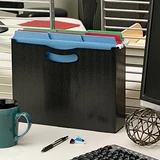
Smead Poly File Box, 3" Expansion, Die-Cut Handles, Letter Size, Black Wave Pattern (71631)


Smead
Smead 24-Pocket Poly Project Organizer, Letter Size, Gray with Bright Tabs (89206)

Smead
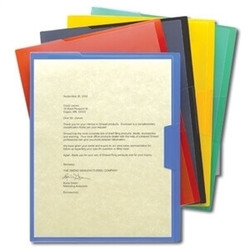
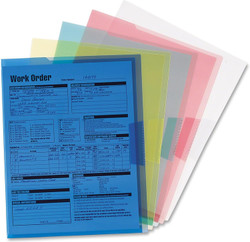
Smead Organized Up Poly Translucent Project Jacket, Letter Size, Assorted Colors, 5/Pack (85750)


Smead
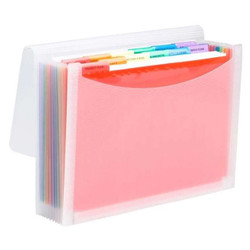
Smead Premium Poly Wallets, Letter Size, Navy Blue, 5-1/4" Expansion (71503)


Smead
Smead Poly Step Index Organizers, 12 Pockets, Flap & Cord Closure, Letter Size
Smead
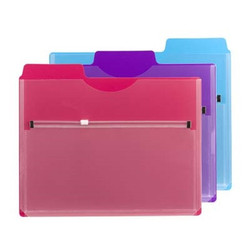
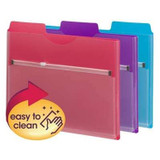
Smead Poly Project Organizers - Zip Pouch, 1/3-Cut Tab, Letter Size, 3/Pack


Smead
Smead Poly Desktop Expanding File, 9 1/2 H x 13 W, 12 Pockets, Black, 1/Each

Smead
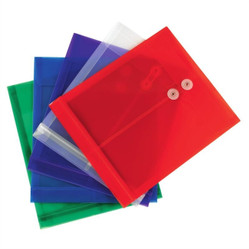
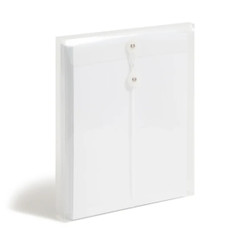
Smead Poly Envelopes, Letter Size, 1-1/4" Expansion, String-Tie Closure, Clear, 5/Pack (89540)


Smead
Smead Poly Envelopes, Letter Size, 1-1/4" Expansion, Side Load, Green, 5/Pack (89523)
Smead
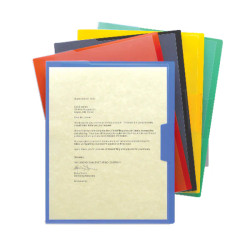
Smead Organized Up Poly Opaque Project Jacket, Letter Size, Assorted Colors, 5/Pack (85740)
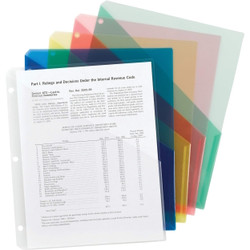


Smead
Smead Poly Envelopes, Letter Size, 1-1/4" Expansion, Side Load, Blue, 5/Pack (89542)


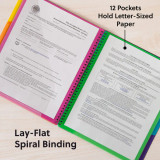
Smead
Smead 12-Pocket Poly Project Organizer, Letter Size, Gray with Bright Tabs (89207)
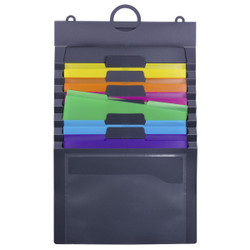
Smead
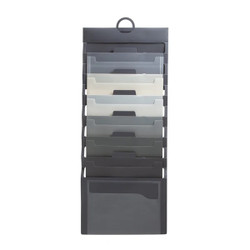
Smead Cascading Wall Organizer, Gen 2, 6 Pockets, Letter Size, Bright Colors
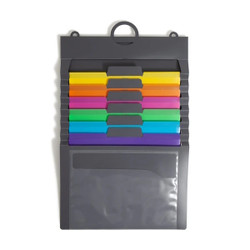

Smead Cascading Wall Organizers, 6 Pockets, Letter Size, Bright Colors


Plastic File Folders for Files That Need to Hold Up
Plastic file folders, often called poly file folders, are made for paperwork that gets used, moved, handled, and passed around. If a file is going into a drawer and staying there, a standard paper folder may be just fine. But if that folder is going in a backpack, service truck, classroom, warehouse, medical office, sales folder, job packet, or active project file, plastic is usually the better choice.
The main reason people buy plastic folders is simple: they hold up better. They resist tearing, bending, moisture, dirt, and the general abuse that paper folders do not always survive. They cost more than basic paper folders, but for active paperwork, they can be the better value because you are not constantly replacing folders that get bent, torn, or worn out.
- Better for daily handling: Poly folders are tougher than paper when files are pulled, opened, stacked, carried, or shared.
- Better around moisture: Plastic folders help protect paperwork from damp hands, light spills, and dirty work areas.
- Better for active files: They work well for project packets, forms, estimates, school paperwork, job files, and documents that do not stay in one place.
- Better for color-coding: Bright plastic folder colors make it easier to sort by department, project, customer, student, priority, or job status.
Choosing the Right Plastic Folder Style
Not every plastic folder is the same. Some are made to keep loose papers from sliding out. Some are better for active project files. Others are made for bulky paperwork that keeps growing. The best choice depends on how the file is actually going to be used.
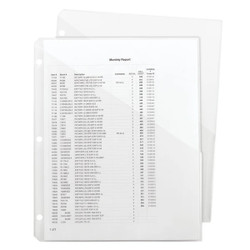
- Plastic Envelopes: Good for keeping loose papers enclosed, especially receipts, forms, small packets, travel documents, return paperwork, and anything that should not slide out.
- Plastic File Jackets: A good everyday choice when you want fast access to documents, but need more protection than a regular paper folder.
- Poly Project File Jackets: A strong option for active project paperwork, client forms, job files, estimates, school packets, and files that move from person to person.
- Expanding Plastic Folders: Best for thicker paperwork, larger document sets, records, receipts, forms, and project files that need extra room.
Plastic folders are also searched for as poly folders, polypropylene folders, plastic document folders, poly file jackets, plastic filing folders, and water-resistant file folders. The wording changes, but the need is usually the same: a folder that protects paperwork better than basic paper.
Plastic File Folders vs. Paper File Folders
Paper folders still have their place. We sell plenty of them, and for basic drawer filing they are usually the most economical choice. Plastic folders are not always necessary, but they make a lot of sense when the file is handled often or needs extra protection.
| Folder Type | Best For | Why People Buy It | Plain-English Advice |
|---|---|---|---|
| Plastic / Poly File Folders | Active files, school paperwork, warehouse documents, medical office paperwork, mobile files, and color-coded filing | They resist tearing, bending, moisture, and daily handling better than paper folders. | Use these when the file is going to be handled often or needs to look decent after repeated use. |
| Paper File Folders | Everyday office filing, drawer storage, basic records, and lower-cost filing systems | They are affordable, easy to label, and available in many tab cuts, colors, sizes, and fastener styles. | Use these when cost matters most and the files are mostly staying in a cabinet. |
| Pressboard File Folders | Legal files, medical charts, bulky records, long-term files, and heavy-duty filing systems | They are very durable and often include fasteners, dividers, and expansion capacity. | Use these when the file is thick, important, long-term, or needs to stay organized in sections. |
Where Plastic Folders Work Best
For active office files
Plastic file folders are a good fit for active files that are opened often, passed around, or carried between offices. If paper folders are getting worn out before the file is finished, it is probably time to move that type of file into poly.
For schools and classrooms
School paperwork gets handled hard. Plastic folders hold up better in backpacks, desks, classrooms, and take-home packets. They also make color-coding by class, student, subject, or grade level much easier.
For warehouses, service departments, and job sites
Paper folders do not always last long in rougher work areas. Plastic folders are easier to wipe clean and hold up better around dust, damp hands, trucks, counters, clipboards, and shared paperwork.
For medical, dental, and professional offices
For active forms, temporary records, patient packets, client paperwork, or documents that need to stay clean and easy to handle, poly folders are a practical upgrade from regular paper folders.
Why Plastic Folders Are Worth the Upgrade
Plastic folders are not the cheapest folder option, and they do not need to be used for every file. Where they make sense is with paperwork that gets used hard. If your office is replacing bent, torn, dirty, or worn-out paper folders too often, plastic folders are a simple upgrade that can make the whole file easier to manage.
- They last longer in active use: Poly material handles repeated use better than standard paper stock.
- They keep files cleaner: Plastic surfaces are easier to wipe off than paper folders.
- They protect against light moisture: Helpful around counters, classrooms, warehouses, vehicles, and shared work areas.
- They improve presentation: A clean plastic folder can make customer packets, school materials, forms, and project files look more organized.
- They come in practical formats: Choose poly envelopes, project jackets, expanding folders, wallets, or organizers depending on the job.
Our Recommendation
If you are filing records that will sit in a drawer most of the time, start with standard top tab file folders. They are affordable and work well for everyday office filing. If the file gets carried, shared, handled daily, exposed to moisture, or needs to stay looking clean, buy the plastic folder. That is where poly earns its keep.
For thicker paperwork, look at expanding plastic folders or our broader selection of expandable file folders. For bulky records, legal files, or long-term filing systems, pressboard file folders or classification folders may be the better choice.
For active paperwork that needs to stay clean, organized, and protected, the plastic and poly folder styles on this page are the right place to start.
Plastic File Folders: Your Questions, Answered
Plastic file folders offer better durability, water resistance, and tear resistance compared to paper folders. They are ideal for offices, classrooms, and warehouses where frequent handling is required.
Yes, most plastic file folders are water-resistant, making them ideal for protecting documents from spills or moisture.
Plastic file folders are available mostly in letter (8.5 x 11) with a couple other sizes available.
Many plastic file folders are made from recyclable polypropylene (PP5).
No, our plastic folders do not have fasteners, however, you can add self-adhesive fasteners, or, use a pocket folder that is closed on three sides for security.