 USD
USD

Top Tab File Folders
Top Tab File Folders
Organize filing cabinet drawers with top tab file folders in letter and legal sizes. Choose from manila and colored folders, reinforced tabs, fastener options, and classification styles to manage client files, personnel records, and everyday office paperwork.
Shop Top Tab File Folders by Type
Sub Categories
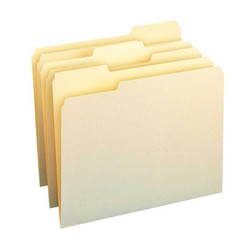
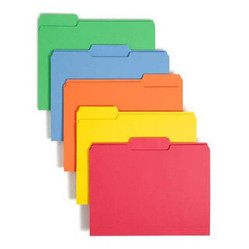
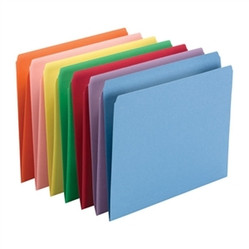

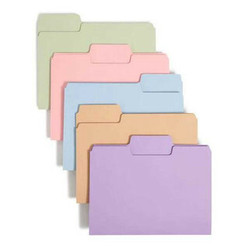

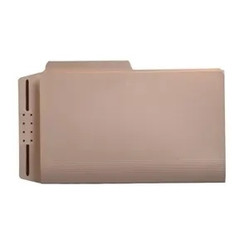
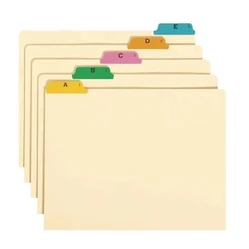


Smead Compatible
File Folders, Letter Size, Reinforced 1/3-Cut Tab [Left], 2 Fasteners, Manila, 50/Box


Smead Compatible
File Folders, Letter Size, Reinforced Straight-Cut Top Tab, 2 Fasteners, Manila, 50/Box


Smead
Smead File Folders, Letter Size, Reinforced 2/5-Cut Tab, Manila, Guide Height, 100/Box
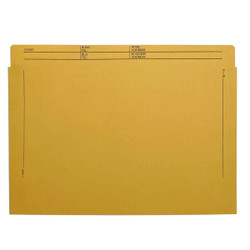
IFS Compatible
Econo File Envelope Jackets, Kraft, Top Tab, Letter Size, 11-Point Stock, 100/Box


Smead
Smead Card Guide, Plain 1/5-Cut Tab (A-Z), 8 W x 5 H, Manila, 25/Set


Smead
Smead Indexed Folder Set, Monthly (Jan-Dec), Letter Size, 11pt Manila, 1 Set


Smead Compatible
File Folders, Letter Size, Reinforced 1/3-Cut Tab [Center], 2 Fasteners, Manila, 50/Box


Smead
SuperTab File Folders, Legal Size, 1/3-Cut, No Fasteners, 14pt. Manila, 50/Box


Smead
Smead SuperTab File Folder 15906, Oversized 1/2-Cut Tab, Legal, Assorted Colors, 100/Box (15906)

Smead
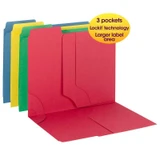
Smead 3-in-1 SuperTab Section Folder, Letter Size, Assorted Colors, 1/3-Cut, 12/Pack

Smead
File Folders, Letter Size, Reinforced 1/3-Cut Tab, 2 Fasteners, Manila, 50/Box


Advanced Filing Concepts
Top Tab Casebinder Folders, Legal Size, 14pt, 2 Expansion, 50/Box


Smead Compatible
File Folders, Letter Size, Reinforced 1/3-Cut Tab [Left], 1 Fastener, Manila, 50/Box

Smead
Smead Indexed Folder Set, Alphabetic (A-Z), Reinforced 1/5-Cut Tabs, Letter Size, Manila
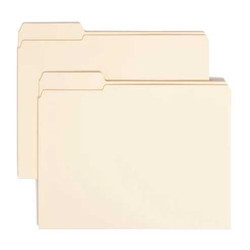
![Smead File Folders, Letter Size, Reinforced 1/3-Cut Tab [Left], Manila, 100/Box](https://cdn11.bigcommerce.com/s-1p4wii2p9w/images/stencil/160w/products/250/17413/Smead-File-Folders-Letter-Size-Reinforced-13-Cut-Tab-Left-Manila-100Box_1069__64639.1711581802.jpg?c=1 "Smead File Folders, Letter Size, Reinforced 1/3-Cut Tab [Left], Manila, 100/Box")
Smead
Smead Manila File Folders, Letter Size, Reinforced 1/3-Cut Left Tabs, 100/Box

Smead
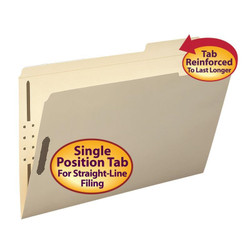
Smead File Folders, Legal Size, Reinforced 1/3-Cut Tab, 2 Fasteners, Manila, 50/Box
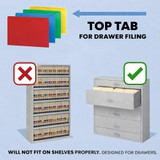
Top Tab File Folders for Drawer Filing
Top tab file folders are designed for file cabinets, desk drawers, lateral files, and storage boxes where folder labels are viewed from above. They are a practical choice for office records, invoices, personnel files, contracts, school records, medical paperwork, legal documents, and other drawer-based filing systems.
Choose letter or legal size folders with 1/3-cut, 1/2-cut, or straight-cut tabs. Available options include manila, colored, reinforced, fastener, pressboard, classification, expandable, and plastic folders for different workloads and record types.
When Are Top Tab File Folders the Right Choice?
Choose top tab folders when files are stored upright in a drawer and the label must remain visible from above. For open-shelf systems where labels are read from the side, use end tab file folders instead.
- Standard office filing: File cabinets, desk drawers, lateral files, and storage boxes
- Letter-size records: 8-1/2" x 11" forms, reports, invoices, and general paperwork
- Legal-size records: 8-1/2" x 14" contracts, legal filings, and real-estate documents
- Frequently handled files: Reinforced tabs provide additional strength
- Secured paperwork: Fasteners hold punched pages in order
- Thick or divided records: Expandable, pressboard, and classification folders add capacity and structure
↑ Back to Top Tab Folder Categories
Letter-Size vs. Legal-Size Top Tab Folders
Letter-Size Folders
- Paper size: 8-1/2" x 11"
- Best for: Standard office forms, invoices, reports, personnel records, and school files
- Storage: Letter-size drawers, boxes, and organizers
Legal-Size Folders
- Paper size: 8-1/2" x 14"
- Best for: Contracts, court filings, real-estate paperwork, and longer business records
- Storage: Legal-size drawers and boxes
Confirm both the document size and cabinet interior before ordering. Legal folders require more drawer depth or width than letter folders and may not fit a letter-only cabinet.
↑ Back to Top Tab Folder Categories
How to Choose the Right Top Tab Folder
| Feature | How to Choose |
|---|---|
| Tab Cut | Choose 1/3-cut for staggered general filing, 1/2-cut for a larger label area, or straight-cut for the widest labeling surface |
| Manila or Colored Stock | Use manila for economical everyday filing or colored stock to separate departments, priorities, projects, or record types |
| Reinforced Tabs | Add strength where folders are filed and retrieved frequently |
| Fasteners | Secure punched documents and keep pages in a consistent order |
| Dividers | Separate one record into multiple sections with a classification folder |
| Expansion | Increase capacity for thick files, reports, and records that continue to grow |
| Pressboard or Plastic | Choose pressboard for rigidity and long-term use or plastic for tear and moisture resistance |
↑ Back to Top Tab Folder Categories
Popular Types of Top Tab File Folders
| Manila File Folders | Everyday office filing, drawer storage, and general paperwork |
|---|---|
| Colored File Folders | Visual organization by department, client, project, status, or priority |
| Folders with Fasteners | Secured paperwork that must remain attached and in order |
| Pressboard File Folders | Thicker files, frequent handling, and long-term records |
| Classification Folders | Multi-section legal, personnel, medical, project, and case files |
| Expandable File Folders | Bulky documents and files requiring additional capacity |
| Plastic File Folders | High-contact or mobile records needing additional tear and moisture resistance |
↑ Back to Top Tab Folder Categories
Common Uses for Top Tab Folders
- Business offices: Customer files, vendor records, invoices, purchase orders, and administrative paperwork
- Accounting: Tax documents, payroll records, statements, expense reports, and audit files
- Legal offices: Case files, contracts, court documents, estate records, and real-estate paperwork
- Medical and dental offices: Administrative records, billing documents, insurance forms, and personnel files
- Schools and government: Student records, compliance documents, personnel files, and department records
- Home offices: Bills, warranties, tax paperwork, and household documents
↑ Back to Top Tab Folder Categories
Top Tab vs. End Tab File Folders
Choose Top Tab
- Files are stored upright in drawers or boxes
- Labels are read from above
- Traditional office filing is already in place
Choose End Tab
- Files are stored on open shelving
- Labels are read from the side
- Color coding or barcode visibility is important
What to confirm before ordering top tab folders
- Letter-size or legal-size documents and cabinet compatibility
- 1/3-cut, 1/2-cut, straight-cut, or another tab position
- Manila, colored, heavyweight, pressboard, or plastic construction
- Standard capacity or expandable design
- Reinforced tab requirements
- Fastener quantity and placement
- Divider count for classification folders
- Box quantity and expected handling frequency
↑ Back to Top Tab Folder Categories
Folder dimensions, tab positions, materials, capacities, fasteners, and box quantities vary by product. Review the individual specifications before adding folders to an established filing system.
Top Tab File Folders FAQ
Top tab file folders are used for drawer filing. They help organize paper records in file cabinets, desk drawers, and lateral files where the folder label is read from above.
A 1/3-cut tab uses one-third of the folder width and is commonly staggered in left, center, and right positions. A 1/2-cut tab provides a larger label area. A straight-cut tab runs across the full width of the folder and provides the most labeling space.
Choose letter-size folders for standard 8-1/2" x 11" documents. Choose legal-size folders for longer documents, legal paperwork, contracts, real estate files, and records that require extra folder length.
Reinforced folders are a good choice when files are opened, handled, and refiled often. The reinforced tab helps reduce bending, tearing, and label damage over time.
Use folders with fasteners when paperwork needs to stay attached inside the folder. Fasteners are helpful for files that must remain in order, such as personnel records, medical paperwork, legal files, financial documents, and project files.